Molding + Compacting
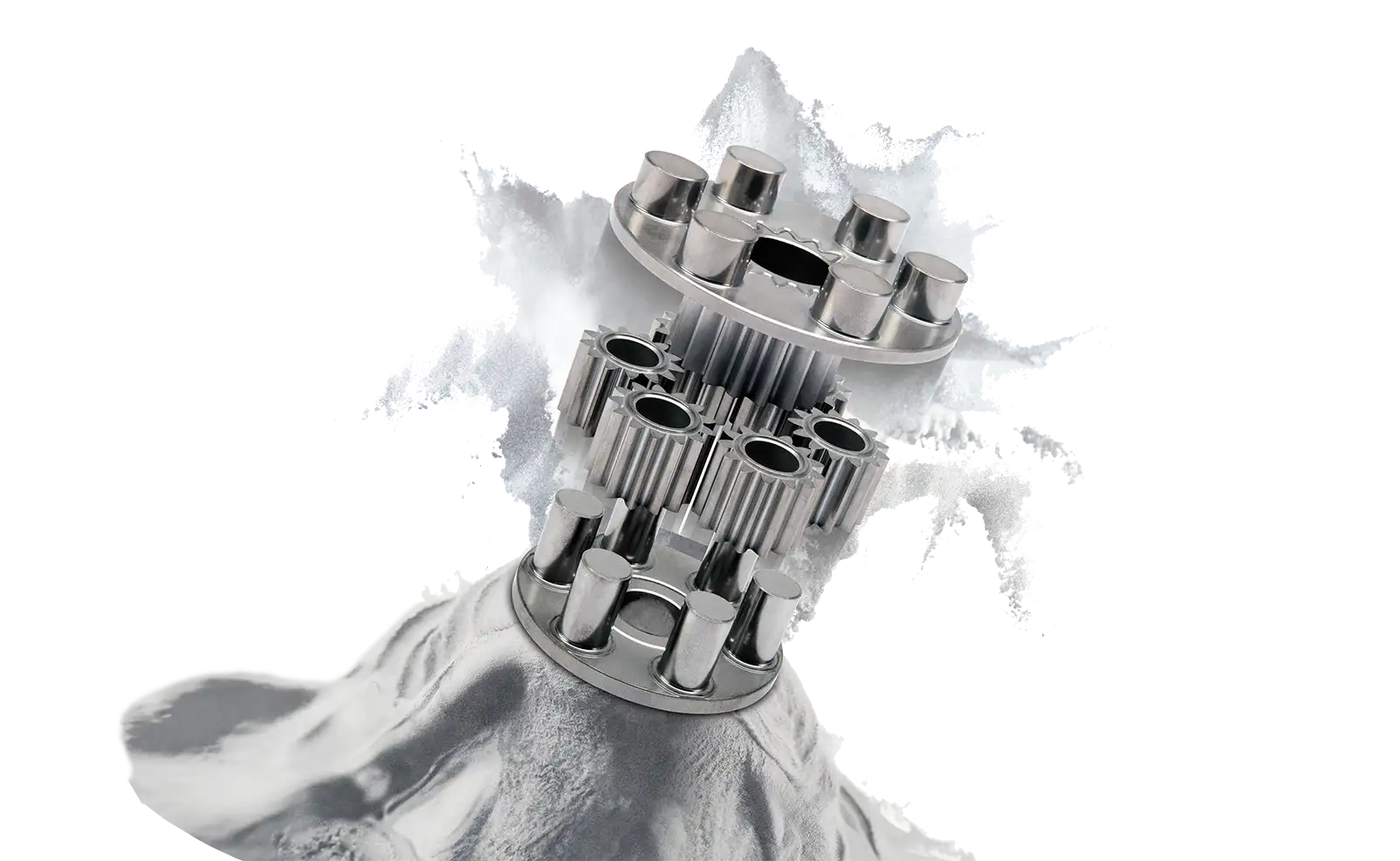
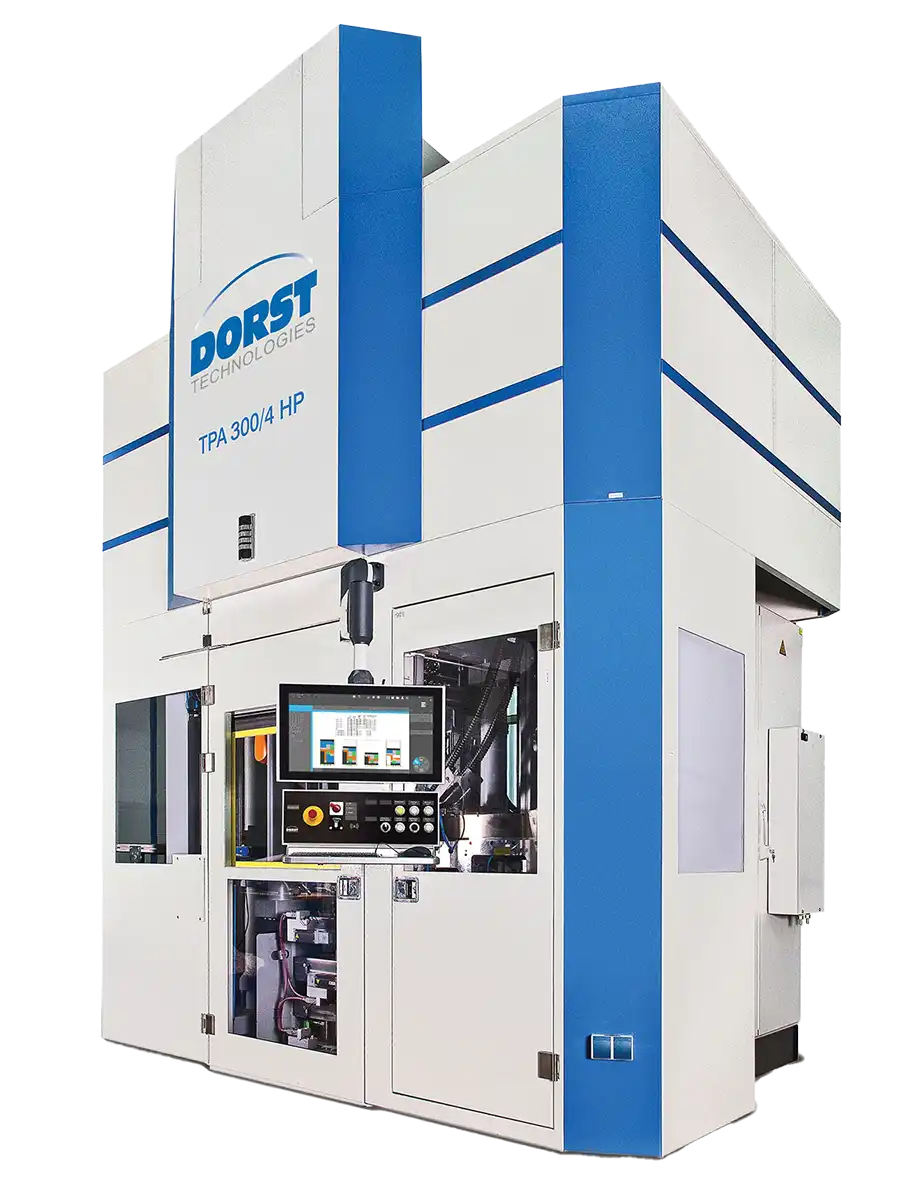
Symmco utilizes Osterwalder and Dorst Hybrid Hydraulic/Mechanical Molding Presses for your molding & compacting needs.
These Presses Allow You To
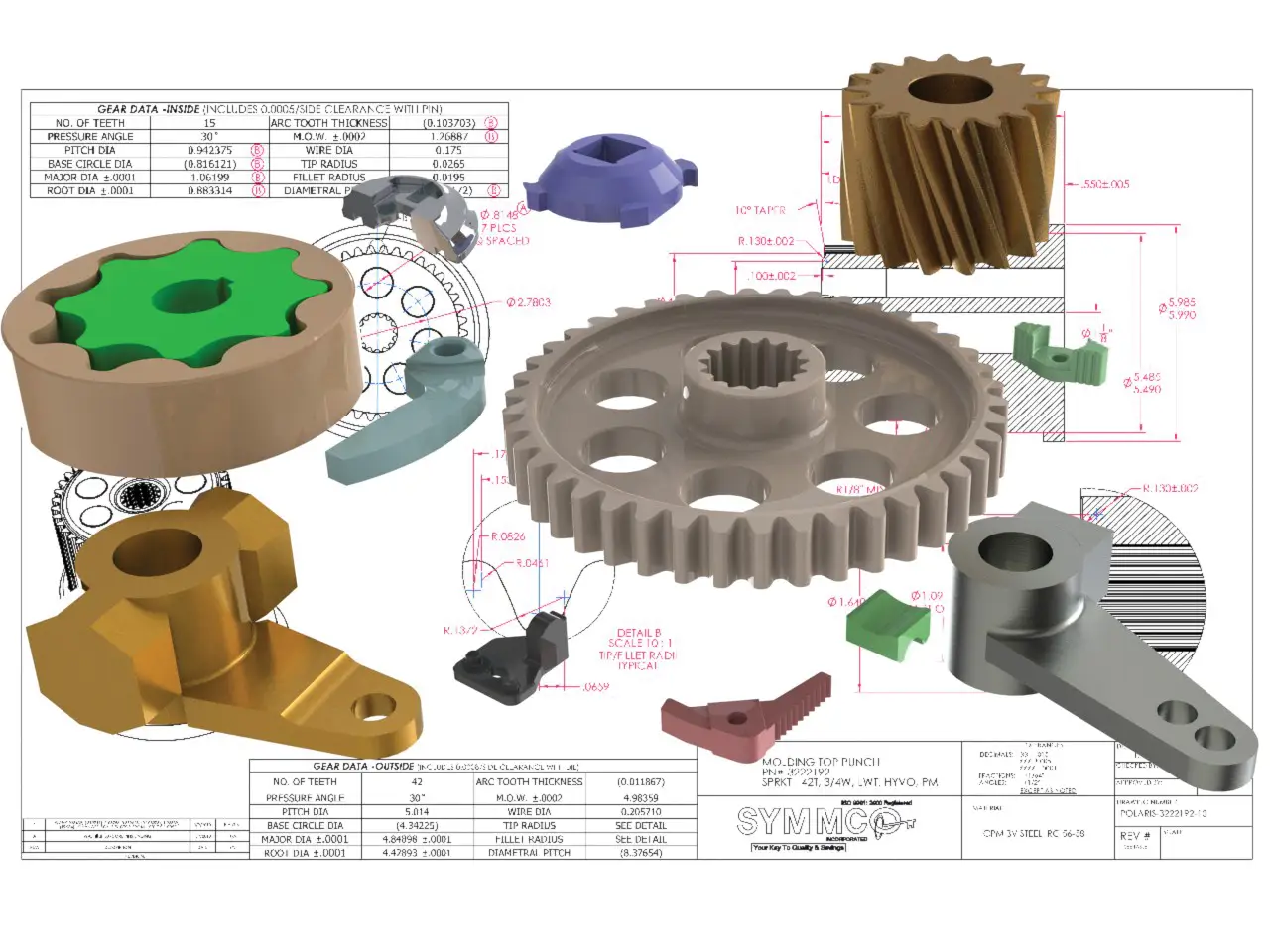
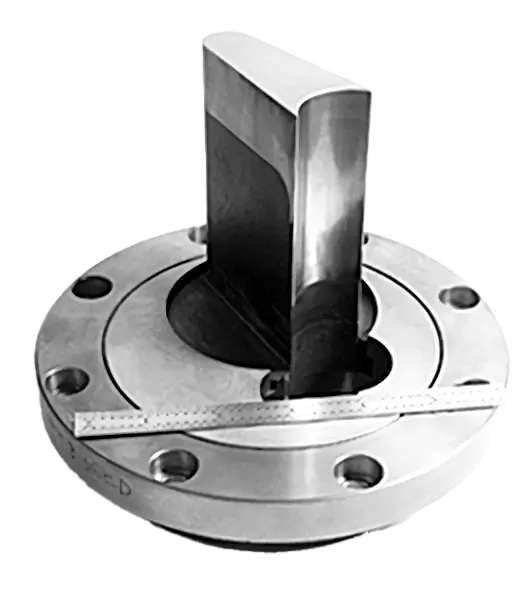
- Utilize the multi-levels to produce complex parts
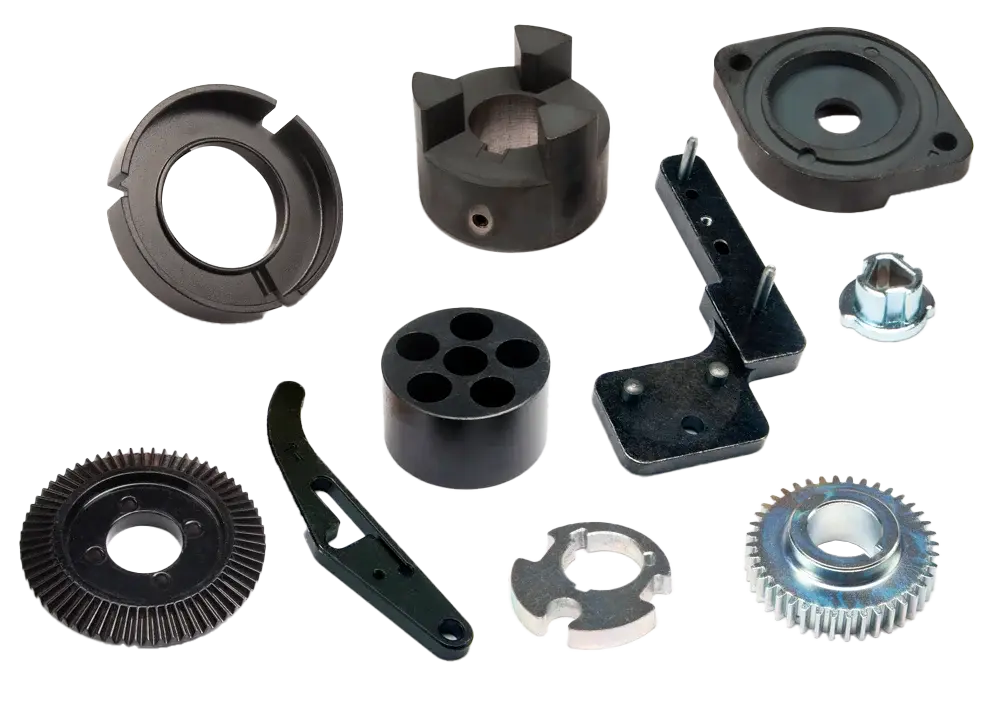
- Mold current powder metal parts that are now heavily machined
- Eliminate secondary operations
- Convert parts made from castings or plastics that require machining
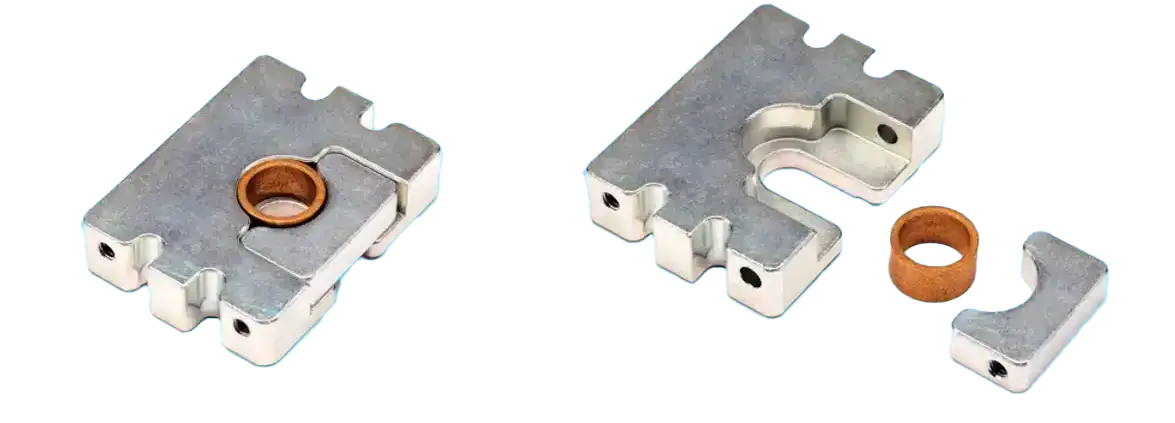
- Convert current multi-part design into one piece
- Improve the function and/or reduce the cost of your current product
Need More specifications?
Download the Press Product Sheet(PDF)Press fleet, levels and part envelope
Symmco molds and compacts on 39 presses split between its Pennsylvania and Tennessee plants. The 36 presses in Sykesville run from 5-ton to 750-ton with mechanical, hydraulic and electric drives, and the 3 in Surgoinsville range from a 300-ton electric to 500-ton hydraulic press, so a small bushing and a large structural part are pressed on equipment sized to each.
| Plant | Presses | Tonnage range | Multi-level presses |
|---|---|---|---|
| Sykesville, Pennsylvania | 36 | 5-ton to 750-ton | Dorst and Osterwalder, up to 7 levels |
| Surgoinsville, Tennessee | 3 | 300-ton electric to 500-ton hydraulic | Dorst, up to 7 levels |
| Both plants | 39 | 5 to 750 tons | Up to 7 levels |
Dorst presses in Pennsylvania and Tennessee produce parts with up to 7 levels; Osterwalder presses in Pennsylvania also run 7 levels using mechanical and hydraulic technologies. That multi-level capability is what lets a complex part with several steps in its profile come off the press as one piece, which is the point of the first item in the list above.
The same fleet covers a wide envelope. Symmco presses parts as small as 0.050" outside diameter and 0.050" overall length, while at the top of the range it produces parts up to 6.00" wide, 12.00" long and 1.00" thick. Weight is not a constraint on its own, because it follows from the density of the material and the size of the part, so what matters when you send a drawing is whether the geometry fits the press and the die.
Explore Our Full Range of Capabilities
Click on one to learn more