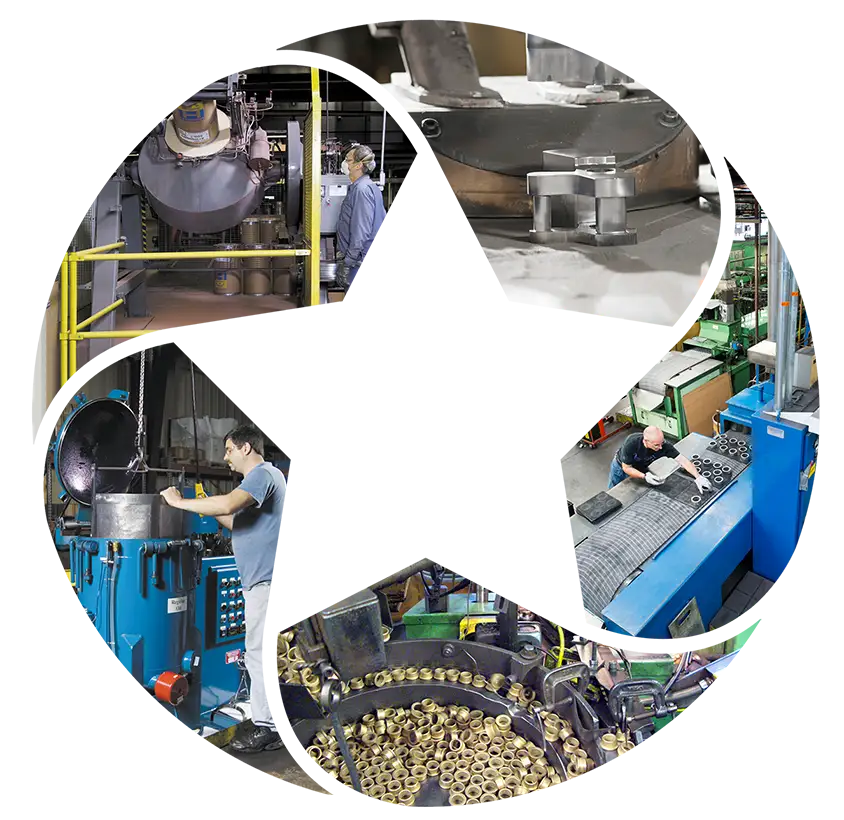
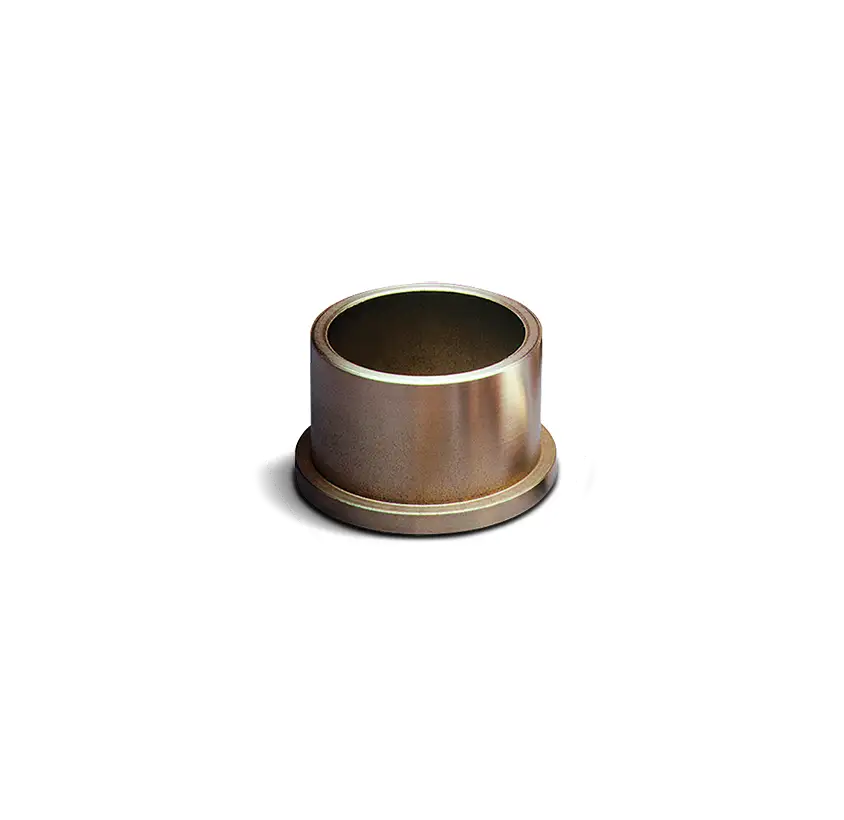
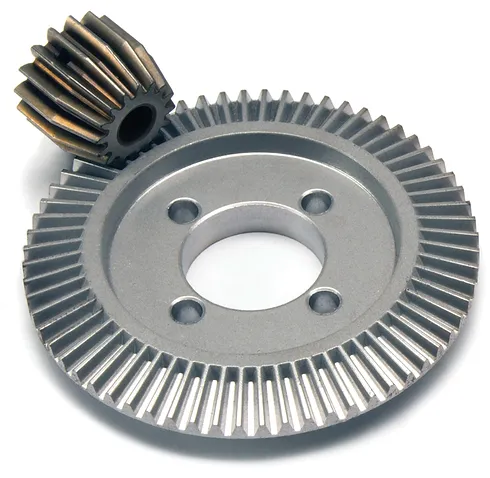
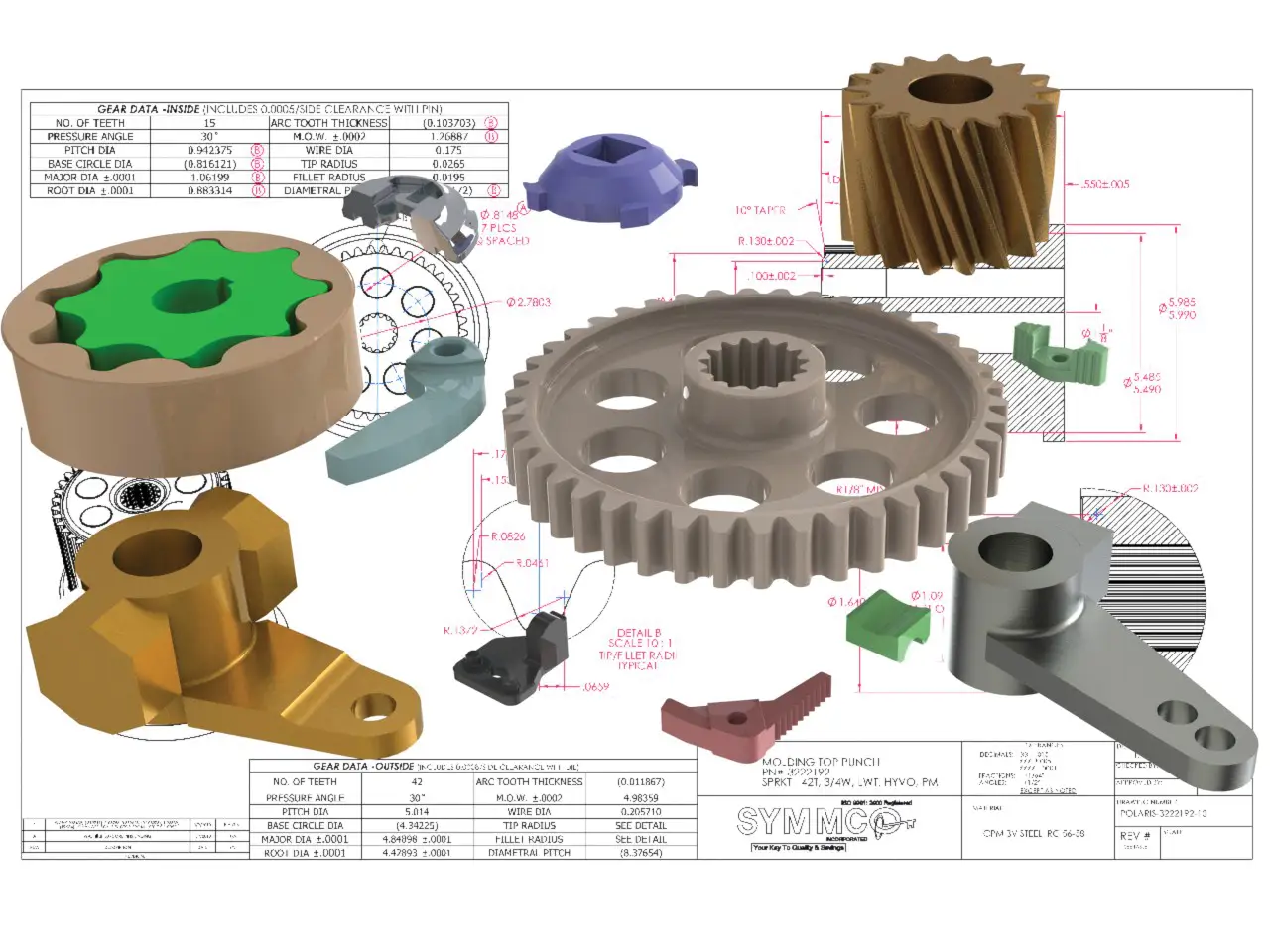
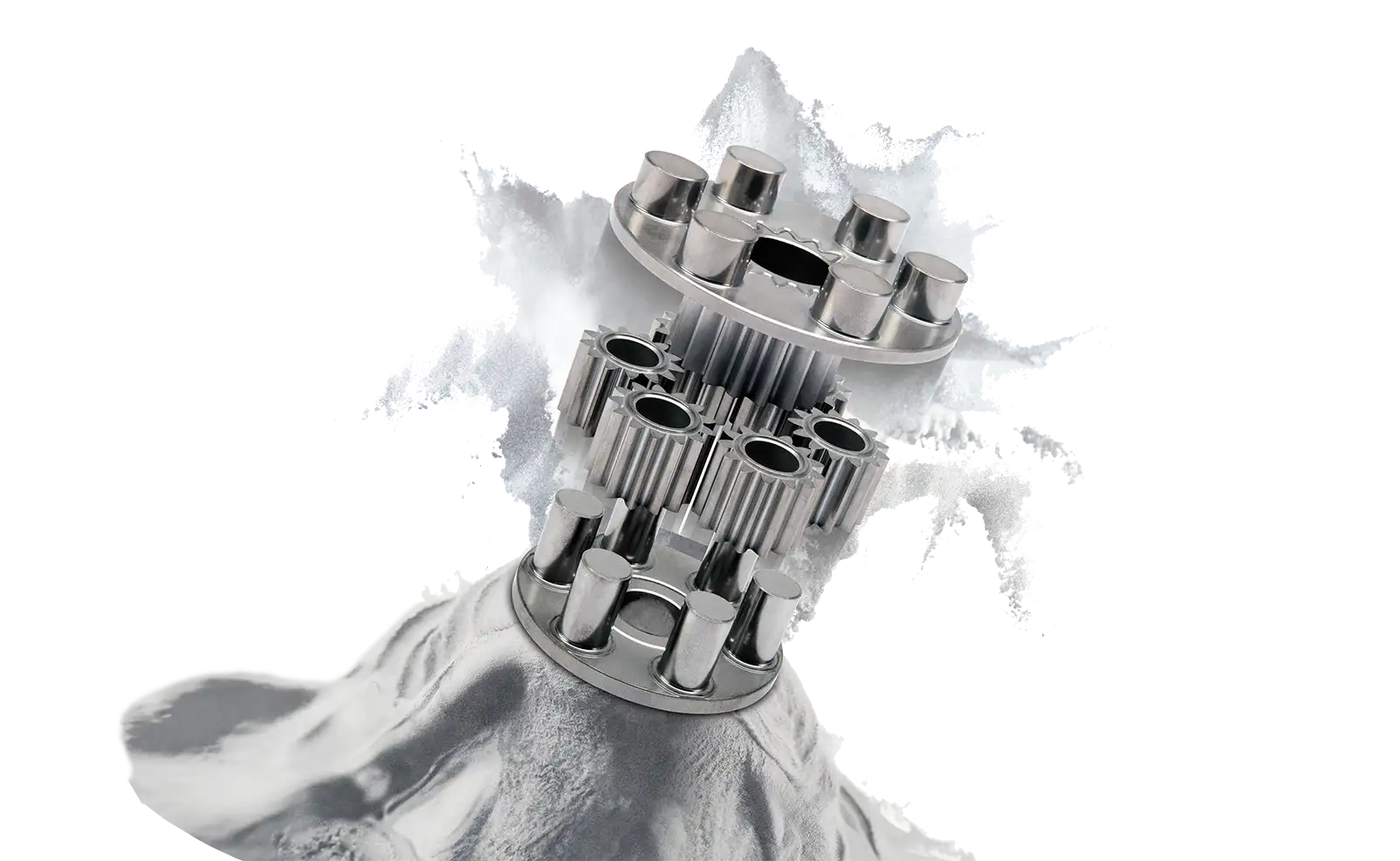
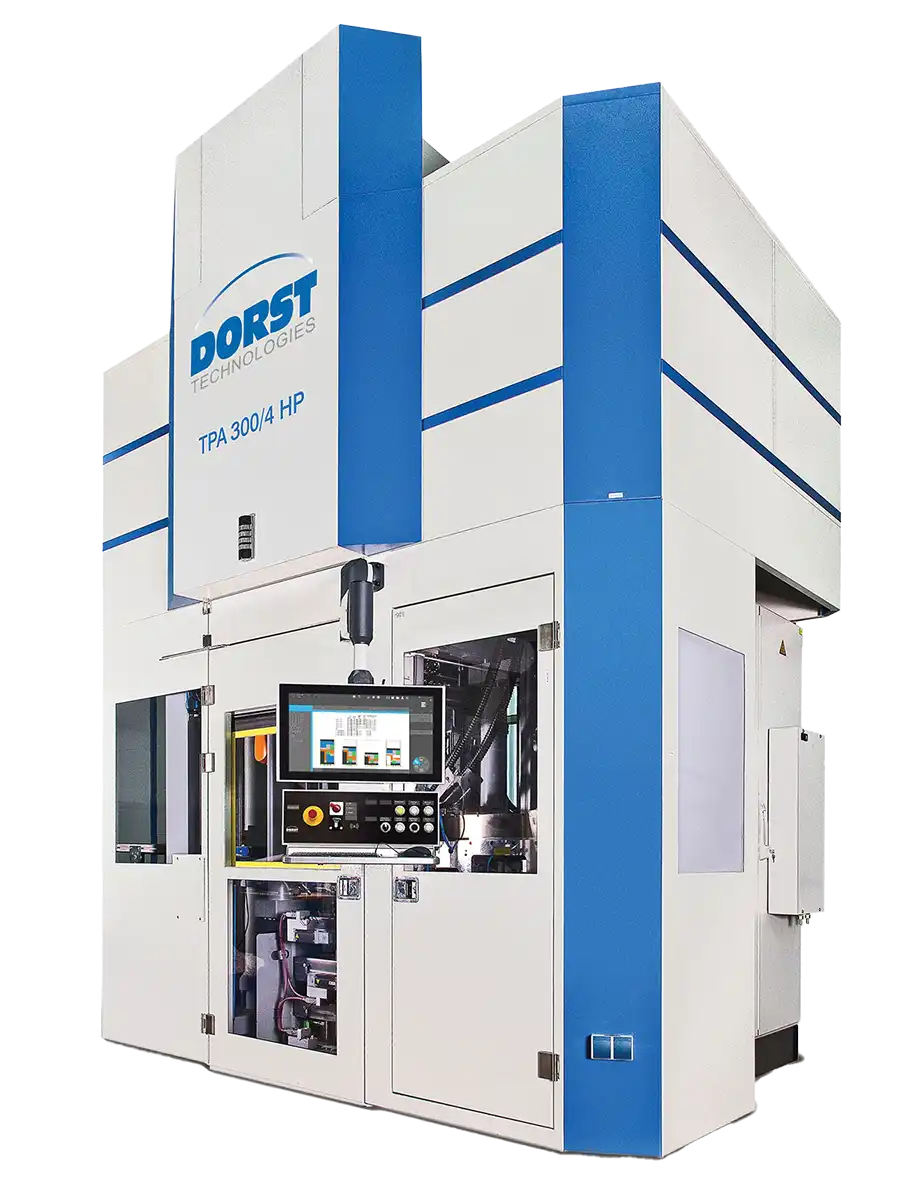
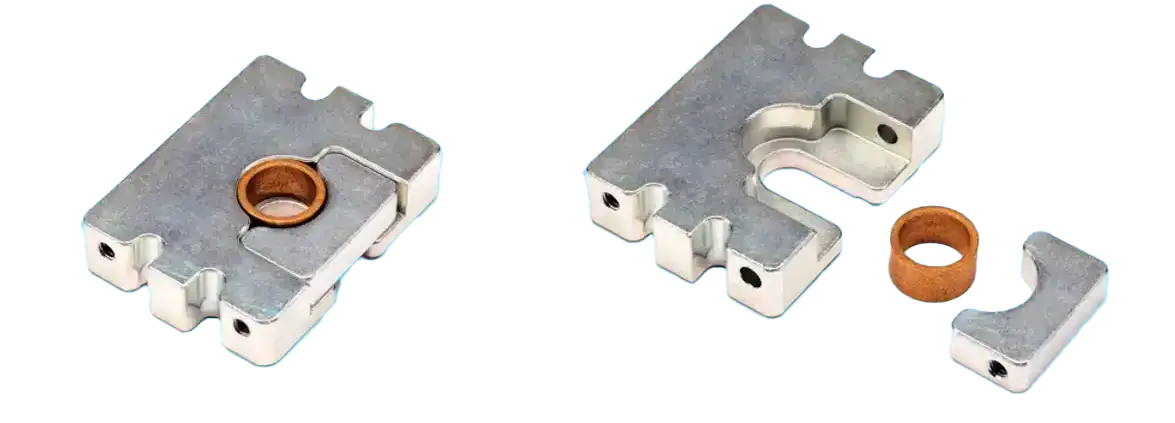
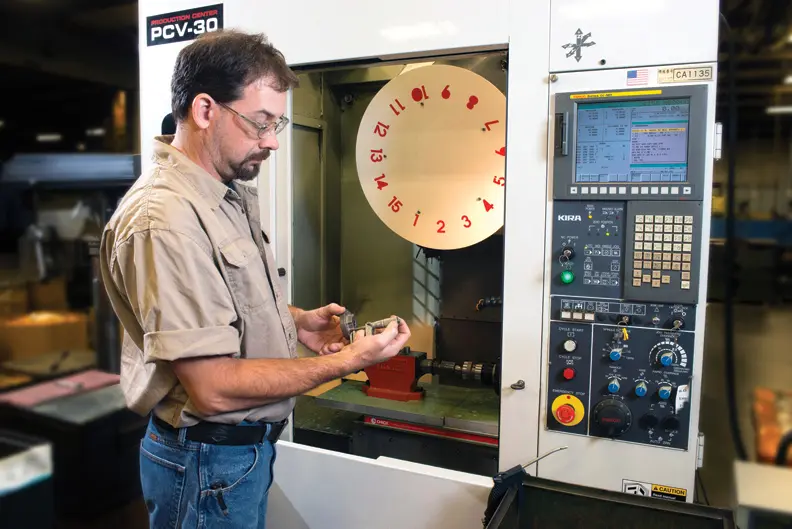
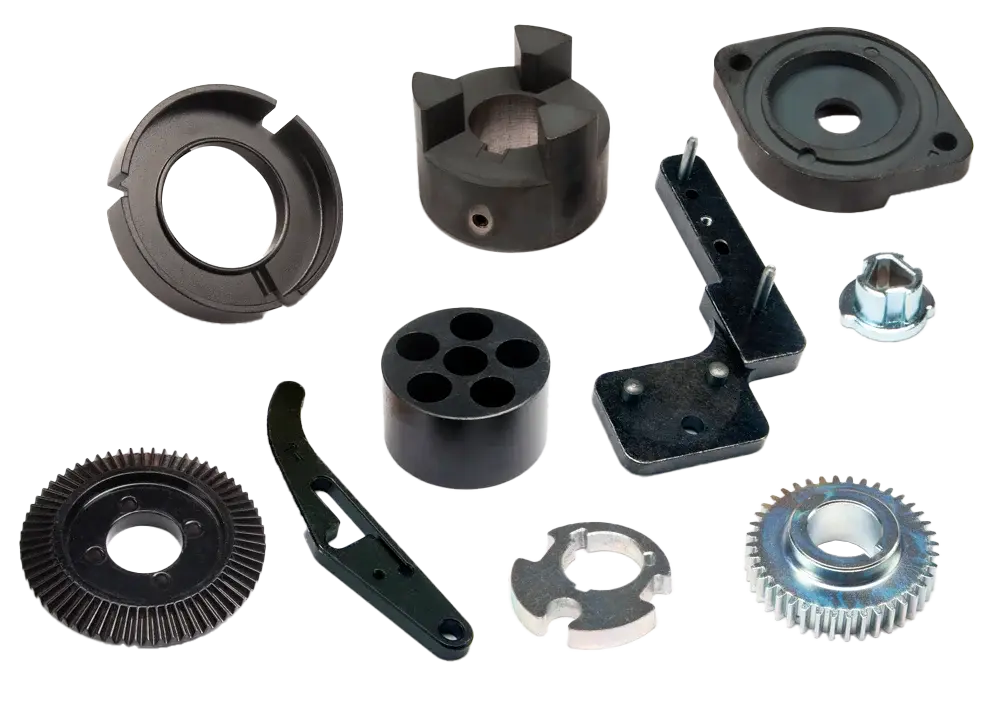
A conversion review starts with the part as it is made today, whether that is machined from bar, cast or stamped, and checks it against what Symmco's presses can form. The press fleet runs from 5 to 750 tons, and the Dorst presses in Pennsylvania and Tennessee, along with the Osterwalder presses in Pennsylvania, produce parts with up to 7 levels, which is what allows a gear, a flange or a stepped bracket to come off the press near net shape rather than being machined into that form afterwards. The envelope runs from parts as small as 0.050" in outside diameter and overall length up to 6.00" wide, 12.00" long and 1.00" thick, and weight is not a constraint on its own, since it follows from the density and the size.
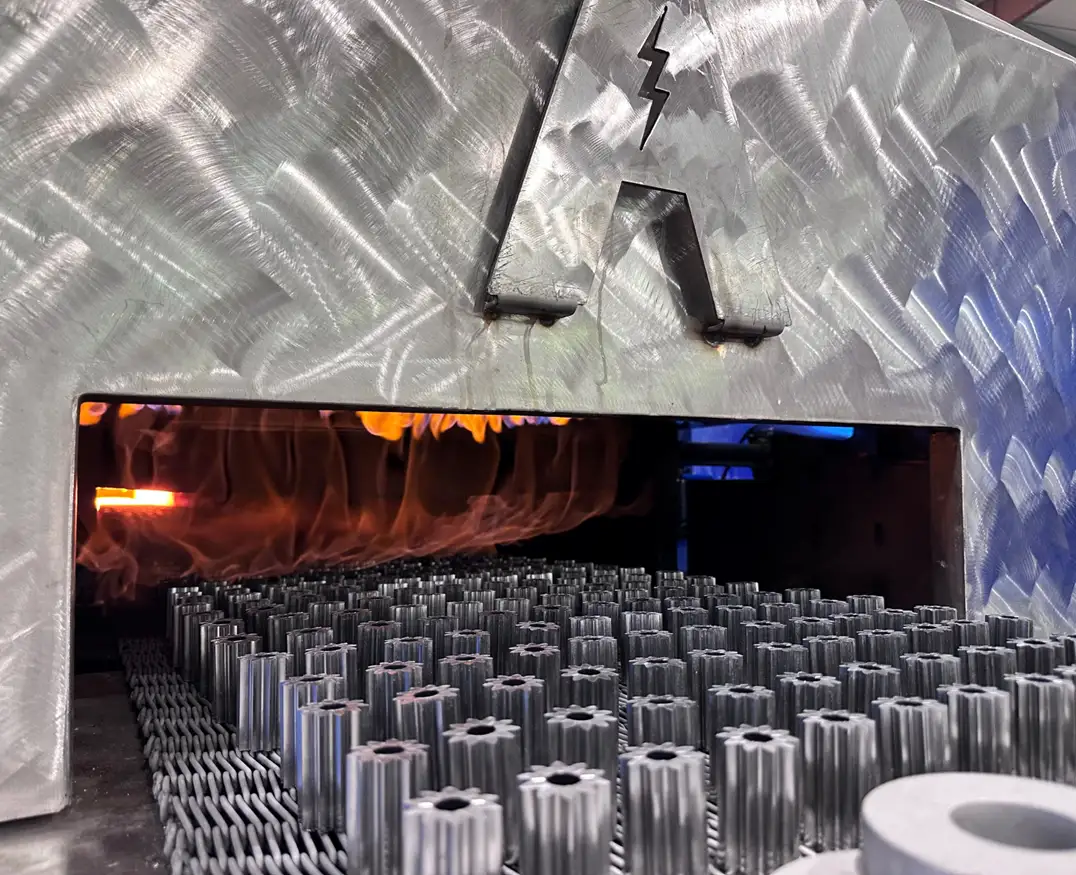
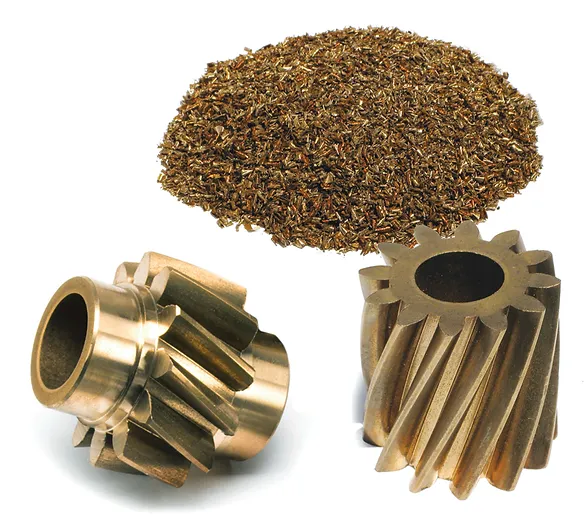
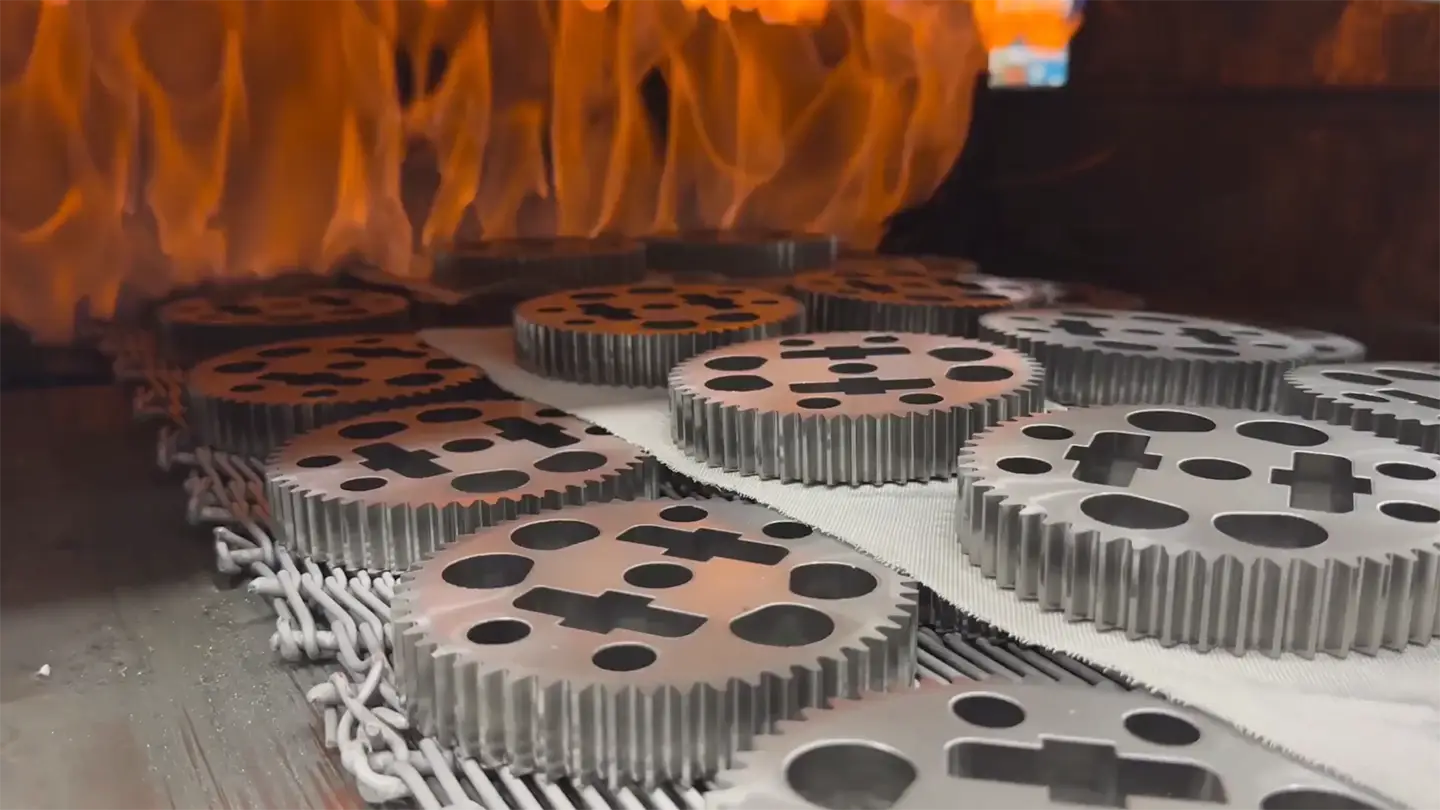
The second question is material. Symmco presses bronze, iron-copper, iron, steel, stainless steel and soft magnetic composites, and runs the majority of MPIF Standard 35 materials, so the engineers match the strength, wear and magnetic requirements of the existing part to a powder-metal grade rather than the other way around. Parts that need higher sintering temperatures than Symmco's furnaces run are identified at this stage, when alternatives are discussed with the customer, so nothing is quoted that the plant cannot sinter.
Tooling comes next. Where the customer already owns tooling, it can be transferred to Symmco for quicker production, and where the part matches one of Symmco's standard sizes there is no tooling charge at all. Once the review is complete, bearing quotes turn around in one day and structural quotes in less than one week. The Tool Transfer page covers what a transfer involves, and the Tooling and Terms page sets out ownership, maintenance and lead times in full.